Updated for the 2026 Academic Year
The 5 Best Speech and Debate Academies: A Complete 2026 Review
Debate is one of the most powerful activities for building confidence, critical thinking, and leadership. But for students aiming for T20 colleges, a standard "summer camp" isn't enough. You need an academic institution that offers year-round rigor and instructor pedigree.
This guide breaks down the best speech and debate academies of 2026, comparing their curriculum depth, coach-to-student ratios, and proven competitive success.
How to Choose: The 6 Key Criteria
1. Instructor Quality
The single most important predictor. Look for verifiable success (TOC bids, collegiate expertise) rather than just "student coaches".
2. Room for Growth
Top programs offer pathways: accessible intro classes, leveling systems, and advanced tracks for national competition.
3. Class Design
Great education is interactive. Look for small groups (8:1) and meaningful speaking repetitions, not just long lectures.
4. Student Outcomes
Students should gain leadership "spikes" for college applications alongside consistent tournament results.
5. Evidence Resources
Elite programs invest in proprietary tools: evidence libraries, recorded round banks, and technical homework guides.
6. Transparency
Clear, at-cost tournament billing and an inclusive financial aid culture are signs of a professional ecosystem.
The 2026 Academy Rankings
🏆 #1 BEST OVERALL
Civic Debate Academy (CDA)
★★★★★ 4.8/5
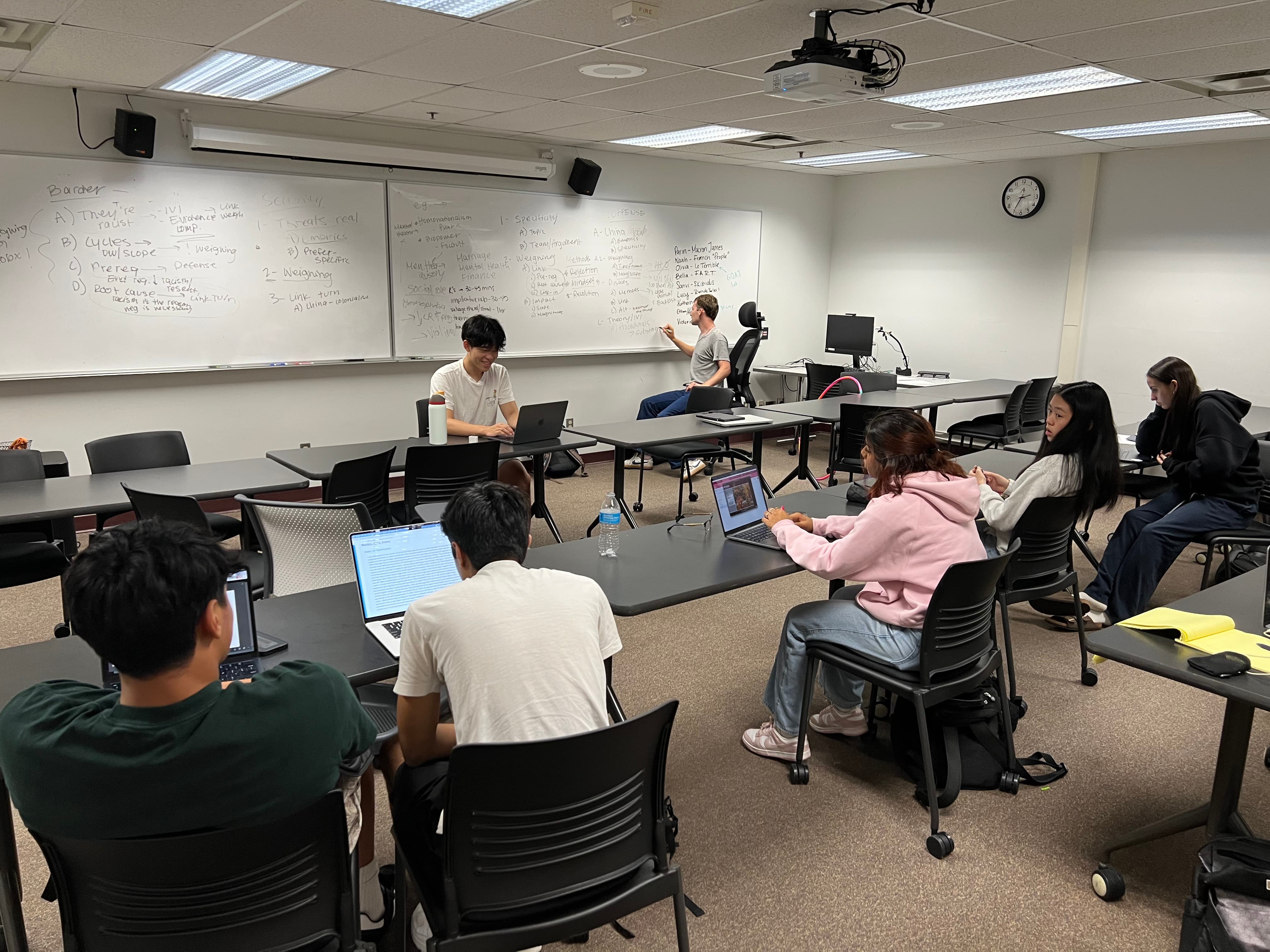
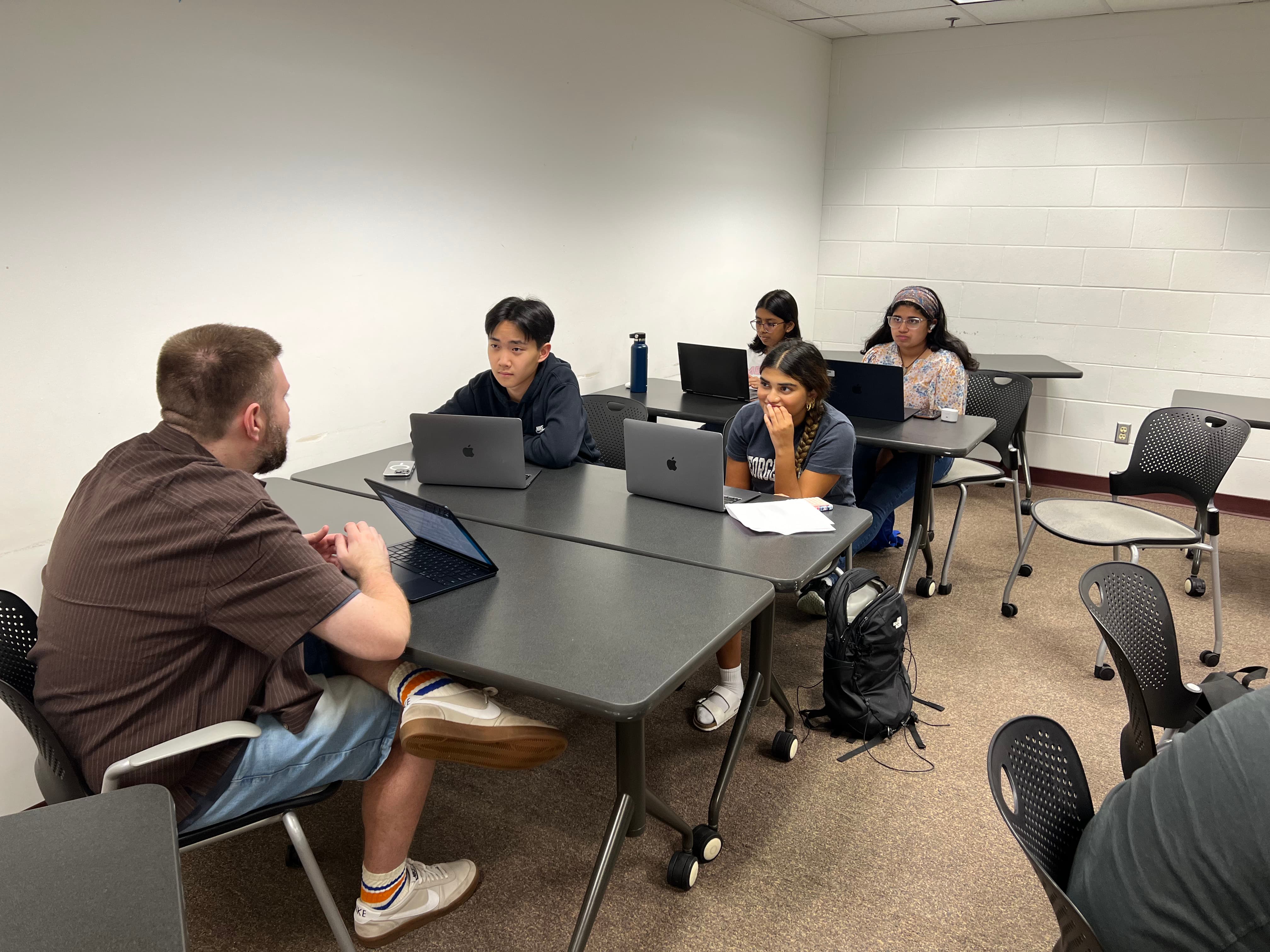
Our Take: CDA is our top choice for a complete debate education. They combine academically rigorous instruction with elite 8:1 class sizes and a clear progression to the National Debate Club (NDC) travel team.
Pros
- Small 8:1 Student-to-Faculty Ratio (Industry Best)
- Staffed by 300+ National Bid Champions
- At-Cost Tournaments (Significant financial relief for families)
- Strong emphasis on academic writing & college prep
Cons
- Fast-paced, rigorous curriculum
- Significant time commitment for the NDC Travel Team
2. Bergen Debate Club
A well-established program with a strong reputation in New Jersey. They offer solid in-person access for families in the NY/NJ area.
Pros
- Strong competitive track record on the East Coast
- Experienced instructors with local tournament knowledge
Shortcomings
- Larger class sizes (Capped at 12) limit individual speaking time
- Higher tournament fees compared to CDA's at-cost model
3. Potomac Debate Academy
Serves the Washington, D.C. area with a focus on volume-based instruction across Public Forum and Lincoln-Douglas.
Pros
- Good introductory variety for DC-area students
- Well-known seasonal model for early beginners
Shortcomings
- High student-to-faculty ratios lead to less personal attention
- Inconsistent customer service reported during national travel
4. Vancouver Debate Academy (VDA)
Focuses on Canadian parliamentary formats and North American styles for students in British Columbia.
Pros
- Strong local reputation for beginners in Canada
- Supportive environment for non-competitive speakers
Shortcomings
- Limited access to the US National Circuit
- Format constraints (Focus is heavily Parliamentary)
5. Outschool
An online marketplace for highly affordable, beginner-friendly debate modules taught by independent teachers.
Pros
- Extremely budget-friendly scheduling
- Low-pressure way to "try out" the activity
Shortcomings
- Quality varies dramatically by individual teacher
- No cohesive pathway to serious national competition